Thank you for joining the Oregon Primary Care Association (OPCA) at our 3rd Annual Conference in Eugene, Oregon at The Graduate Hotel! Your participation, alongside 264 attendees, across 33 sessions, with insights from 40 speakers, 8 sponsors, and 20 exhibitors, made it a memorable experience.
The goal of the 2026 Annual Conference was to:
- Explore models that expand access and advance care innovation;
- Apply proven strategies alongside local innovation to serve diverse communities;
- Leverage partnerships to increase reach, capacity, and impact; and
- Equip health centers to adapt to a shifting policy and funding landscape.
April 13, 2026 | Kick-Off & Celebration
Before the conference commenced, OPCA hosted three preconference workshops:
Building on the insights and momentum from these workshops, OPCA welcomed members and partners with opening remarks acknowledging the crisis in health care.
“Health centers continue to adapt to shifting federal and state landscapes, but the uncertainty around funding remains a shared concern across our membership”, said Joan Watson-Patko, Executive Director. “Ensuring we can consistently provide high-quality, essential care to our communities depends on greater stability”.
It is crucial to understand the challenges we face, and we shouldn’t waste a good crisis. While in this crisis, health centers and the health safety net can find opportunities together to sustain Oregonian’s access to care. This perspective was reinforced in Tim Cunningham’s keynote presentation on the concept of abundance and scarcity mindsets, considering their origins, and methods by which to shift leadership towards abundance.
Throughout the opening ceremony, Joan emphasized OPCA’s role in supporting health centers in four key areas.
Policy, Advocacy, and Public Affairs
OPCA covers a wide range of evolving policies that impact Oregon’s Federally Qualified Health Centers (FQHCs). The Policy team updates members on key policy areas, provides talking points, and collects additional partner references to help the public and our members understand the challenges ahead for FQHCs.
Compliance, Sustainability, and Operational Support
OPCA supports the core functions of FQHCs to ensure members are well-positioned to sustain operations, adapt to change, and expand their capacity to serve communities across Oregon. We provide resources and technical assistance in key areas such as compliance, workforce development, emergency preparedness, and shared services.
Data, Quality, Analytics and Value Based Pay Readiness
OPCA convenes members to analyze population health data and translate complex clinical information into actionable insights. Through IntegratOR, quality improvement initiatives, and value-based care programming, FQHCs can strengthen their performance and improve patient health outcomes while reducing costs.
Education, Technical Assistance, and Practice Transformation
OPCA equips FQHCs with the knowledge and the strategic partnerships they need to advance health access, improve care, and strengthen their workforce. OPCA’s work is designed to meet federal HRSA requirements while also adapting to the evolving needs of our members with collaborative solutions, data-driven strategies, and leadership support.
For OPCA to provide these services, we rely on the feedback of our members. Through surveys, OPCA identified five common themes among responses.
OPCA’s Board of Directors also informs how we address the needs of health centers. Their dedication to protecting, elevating, and advancing community health centers is a cornerstone of the association. OPCA appreciates the leadership of outgoing, returning, and incoming board members.
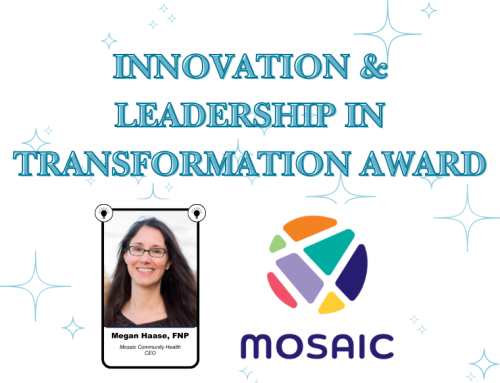
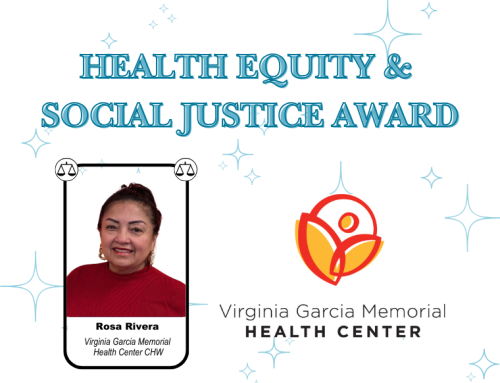
To conclude the opening ceremony, OPCA honored eight leaders for their outstanding work delivering integrated medical, dental, and behavioral health services to our communities.
April 14, 2026 | Annual Conference
“More than ever, we must lean into the collective power of the Health Center Movement within Oregon to push through the uncertainty health centers are facing”, VP of Programs, Dr. Linn shared on the opening of day two.
OPCA’s Board President, Dr. Andrew Suchocki, then shared the importance of the Health Center Movement in Oregon. To amplify the value and impact of Federally Qualified Health Centers, all 33 health centers in Oregon must be a unified front to protect access to care for all.
This primed attendees for the morning plenary, Policy in Focus: The Future of Oregon Medicaid. The Oregon Health Authority described its plan related to H.R. 1 Medicaid eligibility requirements and potential implementation milestones. The team also identified strategies for engaging in policy discussions with the Oregon Health Authority and articulated how to share frontline insights to inform state-level decision-making.
Following the plenary, attendees heard presentations from fellow health centers, partners, and OPCA staff sharing care transformation! Conference participants can access breakout slides and resources through the Whova app.
Before departing for the day, Board President, Dr. Andrew Suchocki, shared the following remark,
“The association relies on the collective power of its members. For each health center to survive our current environment, we must tap into the resources available through OPCA.”
This conference creates space to celebrate the impact and value of Oregon’s Federally Qualified Health Centers while challenging ourselves to drive meaningful change for the patients and communities we serve. Thank you for participating, and we’re excited to continue this work together!
Related Posts