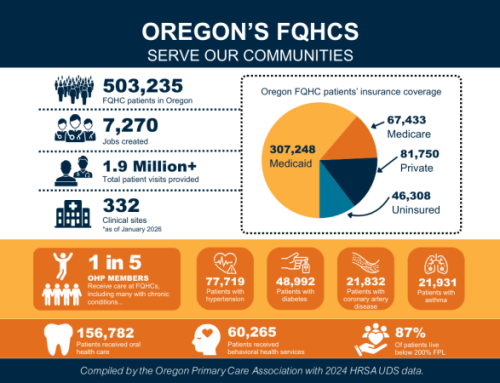
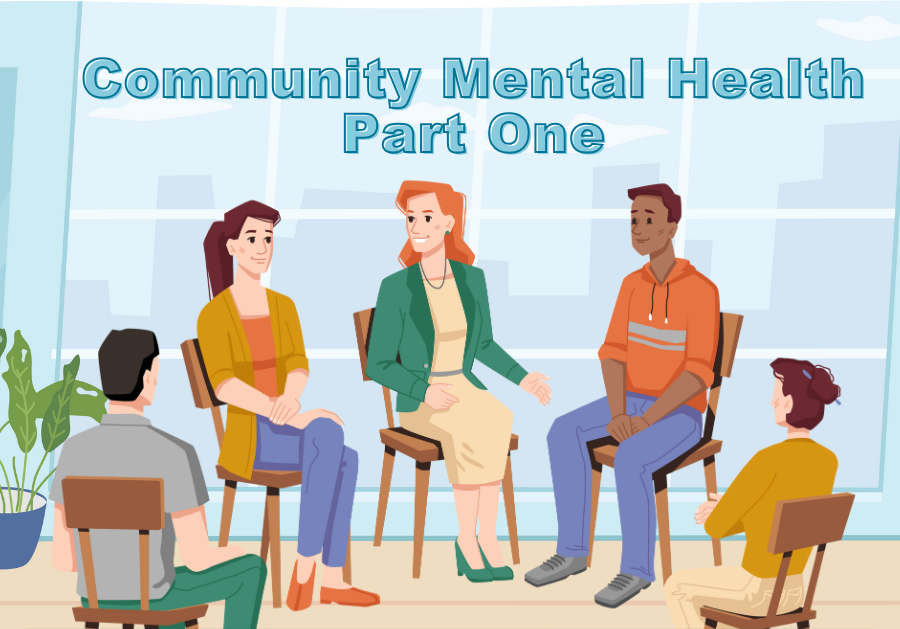
May is Mental Health Awareness Month, which promotes education to reduce the stigma associated with mental illness, encourages screening and treatment to support well-being, and advocates for increased access to health care services. The National Association of Mental Health, now known as Mental Health America (MHA), launched the first observance of Mental Health Awareness Month in 1949 under the leadership of Clifford W. Beers, a mental health advocate who lived with mental illness. In 2024, over 5.9 million people around the world completed a mental health screening through MHA’s online National Prevention and Screening Program, with 78% of U.S.-based participants screening positive for moderate to severe symptoms of a mental health condition. Among individuals identified as at risk for a mental health condition, 54% reported concerns related to low self-esteem or negative self-image, and 41% cited relationship issues. Strikingly, 60% indicated they had never previously received mental health treatment. Oregon’s Federally Qualified Health Centers (FQHCs) actively engage in mental health screening and treatment as part of their commitment to integrated behavioral health services. These centers are key access points for Oregonians to receive critical mental and behavioral health care.
Today, the Oregon Primary Care Association (OPCA) is highlighting how Oregon community health centers provide coordinated mental health services through the health care approach of team-based care. You’ll learn:
Resources, tools, and upcoming learning opportunities mentioned in this blog are provided in the CHC Toolbox section.
Coordinated Care: Team-Based Care
Team-based care is a health care approach emphasizing collaboration amongst multiple health care roles to provide coordinated care in hospitals and primary care settings like FQHCs. The team-based care model puts the patient at the center of care, with the added perspective of the patient being an active partner in health management. The services and treatment provided are personalized based on the individual’s needs and preferences in a culturally responsive way. The multidisciplinary team communicates and disseminates information regularly to assess data noted in the electronic health record (EHR) to determine how to provide patient-centered care. The benefits of team-based care are:
- Better care coordination and continuity of care
- Improved patient outcomes
- Reduced community health workforce burnout
Team-based care is more than a model—it’s a mindset that puts collaboration at the heart of patient health. By integrating the expertise of providers, mental and behavioral health specialists, nurses, care coordinators, and support staff, this approach ensures patients receive holistic, coordinated, and compassionate care. But what does that look like in practice? To find out, OPCA sat down with health center staff to hear directly from the people making it happen every day.
Interview
During an interview with Northwest Human Services health center staff, the team shared how they engage members of our communities, refer them to health services and programs at the health center, and listen to patients to better understand their needs. First, I asked them what inspires them about working at a community health center, especially NWHS.
Memo Plazas, QMHA
Care Coordination Supervisor
Kellee Borsberry, RN
Collaborative Care Manager
Transitional Programs
Justin Davis, RN
Outreach Team Nurse
Transitional Programs
The best way to provide a holistic picture of how NWHS guides their communities through the continuum of care is to share a patient story Justin and Kellee shared with me:
CHC Advocate: Transformation of Care Teams
Community health centers (CHCs) are not just access points for health care but also pioneers in a patient-centric approach. By integrating medical, dental, and behavioral health services in a medical home, they are reducing the stigma associated with mental illness. Their approach encourages patients to express what they are experiencing, leading to better health outcomes. This patient-centric approach, coupled with the trust built between care teams and patients, is critical to supporting the well-being of our communities. It also creates CHC Advocates who will encourage their family, friends, and loved ones to seek assistance in prioritizing their holistic health by working with care teams at their nearest health center.
OPCA hosts the Advanced Care Learning Community (ACLC) covering key topics relating to health center care transformation, focusing on the evolution of the primary care team. This year's theme, "Beyond Integration: Supporting Workforce Resilience in Team-Based Care Models," addresses the social and systemic pressures FQHC care providers face in managing patients' complex needs within an integrated care system. Each webinar will offer actionable insights and strategies to enhance team collaboration and resilience in the face of these challenges. The objectives of this webinar series are to…
- Enhance Understanding of Social and Systemic Pressures: Acknowledge the challenges FQHC care providers face in addressing patients' complex needs within integrated care systems.
- Develop Effective Collaboration Skills: Equip attendees with tools and strategies for fostering effective interdisciplinary collaboration in their teams.
- Build Leadership and Team Resilience: Share insights on leadership practices that promote workforce resilience and adaptability in team-based care models to meet complex patient needs.
Please participate in ACLC to learn best practices, workflows, and how your peers implement team-based care at their health centers. To learn more, visit https://orpca.org/advanced-care-learning-community/.
CHC Toolbox
Related Resources
Related Posts